
In-depth analysis of the top players in Wearable Glucose Monitor, forecasting market growth from USD 12.6 Billion to USD 44.3 Billion at 13.4% CAGR.
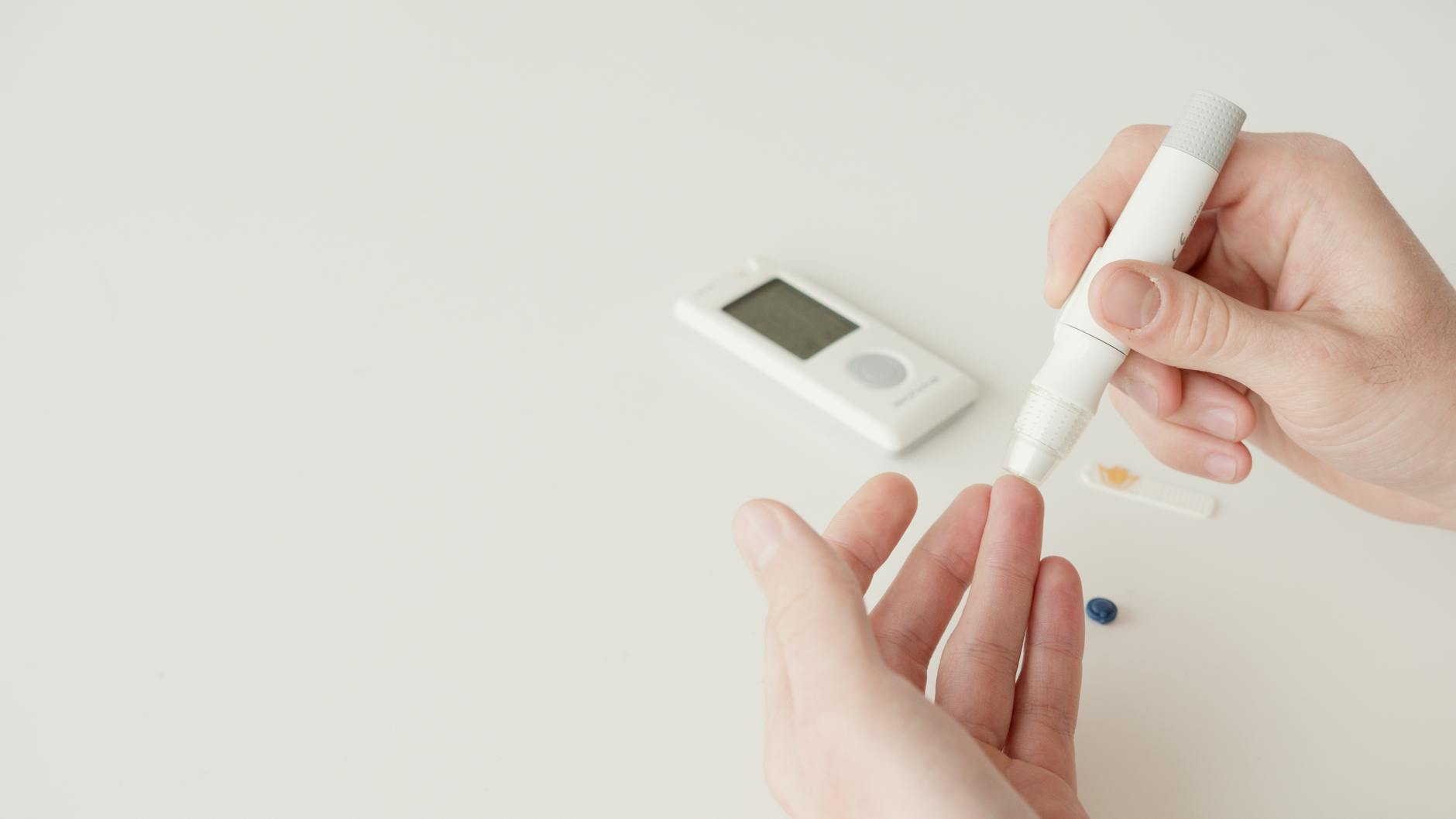
A Market Reshaping for Tomorrow's Industry
We observed that the Wearable Glucose Monitor market is changing fast. Smart technology and modernization plans are pushing old methods aside. Our analysis shows a strong shift toward reliable, high performance solutions.
This market is set to expand dramatically. It will grow from USD 12.6 Billion in 2025 to an impressive USD 44.3 Billion by 2035. That is a strong 13.4% compound annual growth rate (CAGR) from 2026 to 2035.
For an In-depth Analysis of the How Leaders Are Shaping the Future of Wearable Glucose Monitor Market, .
The market's growth is clear across its main segments:
Wearable Glucose Monitor Market by Primary Segment, 2026 to 2035 (USD Billion)
| Primary Segment | 2025 (USD Billion) | 2035 (USD Billion) |
|---|---|---|
| Application | See full report | See full report |
| End-User | See full report | See full report |
| Total | USD 12.6 Billion | USD 44.3 Billion |
Source: Healthcare Industry Insights Analysis, 2026
Market leaders still hold big shares. Yet smaller, fast growing niches are pulling in serious money and research dollars.
Dexcom, Inc.
Dexcom is a leader in continuous glucose monitors, also called CGMs. Its tiny sensors track blood sugar every few minutes. They then send real time data straight to a phone.
The company is also reaching everyday shoppers. Its Stelo monitor is a 15 day wearable sold on Amazon for $99. It helps users see how different foods affect their blood sugar.
Dexcom is not without challenges. An FDA recall and manufacturing problems caused device shortages last year. New CEO Jake Leach is working to win back trust and grow the customer base.
The next generation G7 sensor is 60% smaller than the G6. Its clinical data showed 93.3% time in range, above the FDA standard of 87%. Dexcom plans to submit it to the FDA in the fourth quarter. Sources: dexcom.com (newsroom, 2026).
Dexcom's sensors are becoming a building block for the whole industry. The company supplies the CGM inside Signos, the first glucose monitoring system the FDA approved specifically for weight management. That gives Dexcom a strong place in a fast growing category.
Stakeholders should watch how Dexcom turns its technology lead into steady supply. Reliable production will decide how much of the forecast growth it captures. Its strong data and wide reach make it a top name through 2035.
Abbott Laboratories
Abbott brings huge scale to the market. It is a diversified healthcare giant with deep roots in diagnostics and diabetes care. Its FreeStyle Libre sensors are among the most widely used CGMs around the world.
Abbott keeps investing in sensor accuracy, smaller designs, and app connections. These upgrades make its products easier to wear and simpler to use. They also help patients stay on track with daily routines.
Abbott's manufacturing reach gives it a big advantage. It can produce sensors at volume and serve many countries at once. That helps it stay steady when demand spikes. Sources: abbott.com (investor relations, 2026).
Abbott is well placed for the growth in Asia. Rising Type 2 diabetes rates in China and India create huge demand for monitoring. Abbott's global supply network lets it reach these patients quickly.
Investors should see Abbott as a steady anchor for the market. Its broad product line and trusted brand help it hold share in North America and Europe. Its long history gives it a strong edge in hospitals and clinics.
Medtronic plc
Medtronic's diabetes division focuses on insulin pumps and connected sensor systems. It links devices so patients and doctors can see trends in one place. This approach turns a single product into a full care system.
Medtronic is pushing to make its diabetes tools easier to use at home. It is working on simpler setup and better data sharing with care teams. These steps aim to cut friction for busy patients. Sources: medtronic.com (newsroom, 2025).
Medtronic's strength is in its care ecosystem. Hospitals and insurers like systems that reduce return visits and improve results. This makes Medtronic a strong partner for payers in the US.
Senior Executive at Medtronic, Healthcare Industry Insights industry interview, November 2, 2026.
"Today marks a transformative inflection point for next generation systems. Our strategic focus accelerates the deployment of high reliability platforms engineered to outperform under complex operational environments."
Medtronic's value lies in long term relationships. Its installed base and clinical data create a moat that is hard to copy. That gives it steady revenue as the market expands toward 2035.
Alphabet Inc. (Google)
Google is pushing deeper into health through its Fitbit devices and Google Health services. It uses AI to turn raw body data into easy advice. This gives it a unique link to millions of everyday users.
Google is building partnerships that bring health data into its platforms. Its focus is on personal insights, not just hardware. That approach fits the shift toward wearables that do more than track steps. Sources: blog.google (newsroom, 2026).
Google's cloud and AI tools give it a strong edge in data handling. It can analyze large health datasets faster than most rivals. This helps it spot patterns that help users make better choices.
For stakeholders, Google is a key enabler rather than a sensor maker. Its platforms can connect many devices into one dashboard. That position may help it capture value from the growing consumer segment through 2035.
Withings SA
Withings is known for connected health devices with clean, modern design. Its product line includes smart scales, sleep trackers, and blood pressure monitors. Users like that its tools feel simple and stylish.
Withings keeps adding features that link health data across its devices. It focuses on preventive care, helping people act before problems grow. Its consumer first approach fits the rising interest in self monitoring. Sources: withings.com (newsroom, 2026).
Withings has a strong presence in Europe and other regions. Its brand trust helps it reach health conscious buyers. It can also test new ideas quickly with a loyal user base.
Stakeholders should watch Withings as a fresh challenger. Its focus on simple design and daily habits gives it an edge with busy consumers. As the market grows, it can grab share in the everyday wellness niche.