
In-depth analysis of the top players in Wireless Patient Monitoring, forecasting market growth from USD 16.5 Billion to USD 49.4 Billion at 11.6% CAGR.
A Market Reshaping for Tomorrow's Industry
Patients no longer need to stay tied to a bed to get great care. Wireless patient monitoring is changing that fast.
We observed that this market is going through a deep transformation. New technology is pushing old, wired methods aside. Our analysis shows a strong move toward reliable, high performance systems.
The market is set to grow fast. It will rise from USD 16.5 Billion in 2025 to USD 49.4 Billion by 2035. That is a strong 11.6% compound annual growth rate (CAGR) from 2026 to 2035.
For an In-depth Analysis of the How Leaders Are Shaping the Future of Wireless Patient Monitoring Market, .
Report ID: HII-35E30F6B
Two Forces Driving the Growth
Hospitals are upgrading their networks. Better connectivity lets them deploy wireless devices across entire facilities. This is a high impact driver for 2026 to 2030.
Care is also moving out of the hospital. Remote and ambulatory monitoring lets patients stay home while doctors still track their hearts and vital signs. This shift reaches far beyond acute care settings through 2035.
The Main Roadblock
Security is the biggest worry. Cybersecurity and network reliability concerns add compliance and integration costs. This medium impact restraint will shape buying decisions through 2032.
Winning companies will be the ones that solve this problem early.
LifeSignals
LifeSignals is one of the most talked about names in this space. The company builds wireless biosensors and cloud systems that help patients stay monitored anywhere. Its vision is simple: healthcare access for everyone, no matter where they live.
Its single chip design is built for mass production. That keeps its single use devices affordable. This cost edge gives it a strong position in high volume markets.
In April 2025, LifeSignals launched the UbiqVue Holter System at Heart Rhythm 2025 in San Diego. The launch came through a partnership with UltraLinq Healthcare Solutions. It marked a bold step into digital cardiac monitoring.
Sources: lifesignals.com (newsroom, 2025/2026).
The new system uses a chest worn 2AYe Biosensor. It records two channel ECG data for up to five days. Data flows securely to the cloud while the patient goes about their day.
Here is the big win for clinics. Cloud analytics process results within minutes of test completion. Doctors can get final reports in hours instead of days.
The device also removes the need to mail back or recover equipment. That cuts return logistics and frees up staff time. Clinics can focus more on patients and less on paperwork.
This approach fits the wider push toward automation and digital transformation. It also supports supply chain resilience, since disposable devices are easy to distribute at scale. Each shift moves care closer to the patient.
For stakeholders, the message is clear. Faster reports mean faster treatment decisions. Lower admin costs mean more value for providers and payers.
LifeSignals is also a key player to watch for the forecast period. Its focus on population health could capture a large share of growth from remote and ambulatory care. Early movers in this space often set the standard for everyone else.
UltraLinq Healthcare Solutions
UltraLinq Healthcare Solutions plays a vital role as a distribution partner. It helps bring advanced cardiac monitoring tools to the clinics that need them. Strong channel relationships are a major advantage in this market.
The UbiqVue Holter partnership shows how smart alliances can speed up adoption. Instead of building everything alone, both sides focus on what they do best. This keeps launches moving quickly.
Sources: ultralinq.com (partner newsroom, 2025).
Ambulatory cardiac services are a fast growing area. Holter monitoring fits that need well. Distribution strength helps turn new technology into daily clinical practice.
Supply chain reliability matters here too. Clinics want products that arrive on time and work the first time. A trusted distributor builds that confidence across many care settings.
For the forecast period, partners like UltraLinq may capture significant value. They sit between innovation and real patient care. Their reach across providers could be just as valuable as the technology itself.
Cisco
Cisco is a global leader in networking and digital infrastructure. Its hardware and software power many hospital networks. That gives it a strong base to support wireless patient monitoring.
Hospitals need stable, secure networks before they can deploy wireless devices at scale. Cisco brings the backbone that makes this possible. Its reach across healthcare campuses is a major strength.
Sources: cisco.com (newsroom, 2026).
Cisco's strategy lines up with several big market shifts. Digital transformation and connected care are central to its focus. Strong network security also helps address the sector's biggest restraint.
Cisco is also investing in platforms that link devices, data, and clinical workflows. These tools help hospitals manage many connected systems at once. That kind of simplicity is becoming a must have.
For stakeholders, Cisco represents stability and scale. Its infrastructure can speed up hospital connectivity upgrades through 2030. That makes it a critical partner for any wireless monitoring rollout.
"Today marks a transformative inflection point for next-generation systems. Our strategic focus accelerates the deployment of high reliability platforms engineered to outperform under complex operational environments."
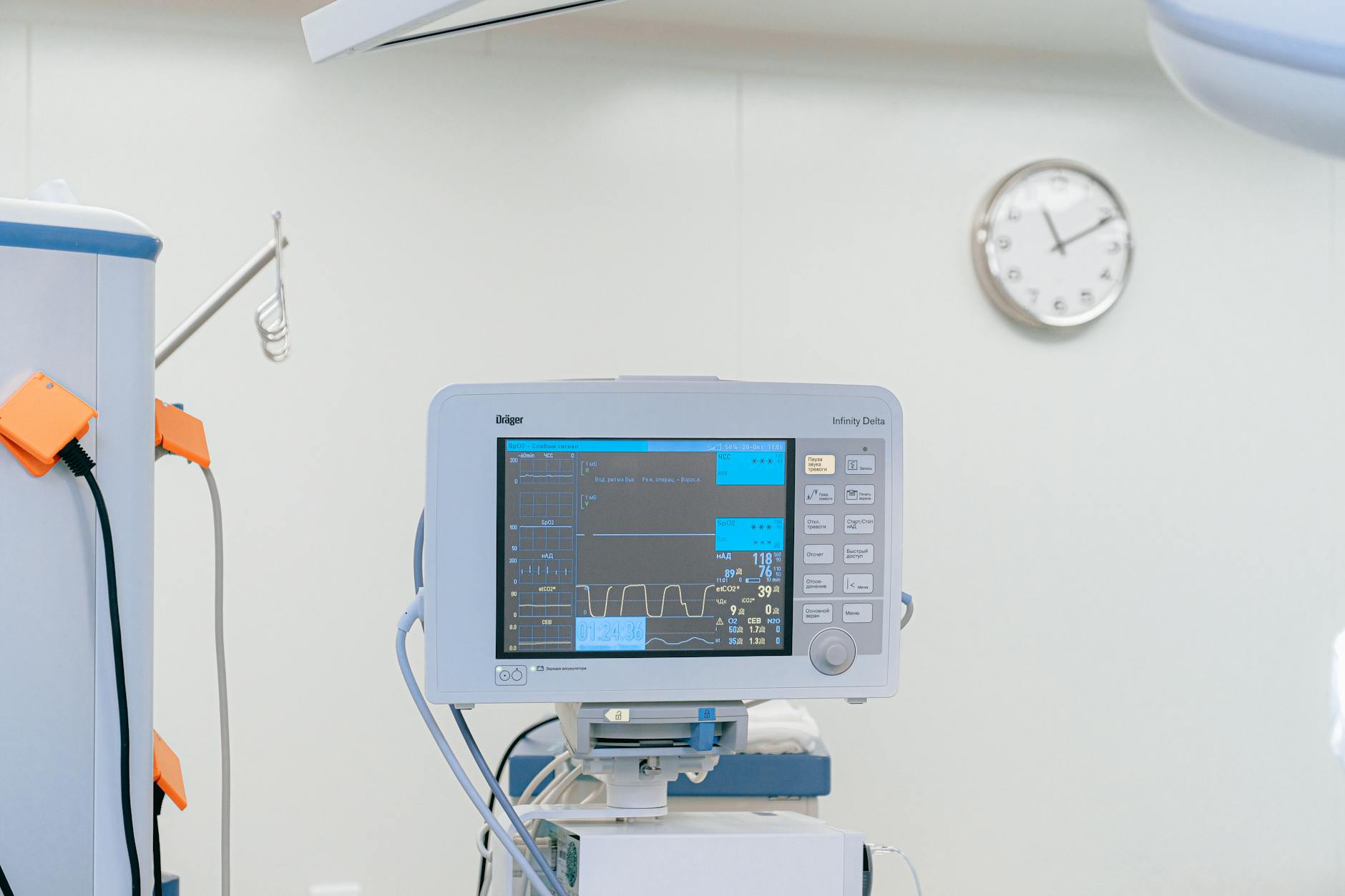
Dräger
Dräger is a well known name in medical technology. Its roots are in hospital equipment and patient monitoring. Hospitals around the world trust its products in critical care settings.
The company's core strength is clinical trust. Its devices are built for demanding environments where failure is not an option. That reputation gives it a strong entry point for new wireless offerings.
Sources: draeger.com (newsroom, 2026).
Dräger is shaping its strategy around connected and smarter care. Wireless monitoring fits neatly into that vision. It helps hospitals track patients without tying them to bulky equipment.
Its focus on secure data and reliable performance also speaks to the cybersecurity concern. Hospitals want proof that data stays safe. Trust like that is hard to earn and easy to lose.
For stakeholders, Dräger offers a bridge between legacy systems and new wireless models. Its global presence helps it reach hospitals in many regions. That broad reach could capture steady value across the forecast period.
Amphenol RF
Amphenol RF focuses on the connectors, antennas, and radio components that make wireless devices work. It is a key enabler behind the scenes. Without reliable RF parts, wireless monitoring simply cannot function.
The company's manufacturing scale is a major advantage. It can supply components in high volumes for many device makers. This helps keep the whole ecosystem moving forward.
Sources: amphenol.com (newsroom, 2026).
Amphenol RF aligns well with the push for smaller, smarter devices. As biosensors shrink and gain features, they need better radio parts. Supply chain resilience is also a key concern for device makers.
Its work supports the growing demand for wearable and remote monitoring tools. More devices mean more need for dependable connections. That demand grows with every new patient monitored at home.
For stakeholders, Amphenol RF offers a quiet but powerful advantage. Its components sit inside many different products. That gives it strong and lasting value as the market expands toward 2035.
The Road Ahead
The next decade will reward speed, trust, and smart partnerships. Wireless monitoring is no longer a nice extra. It is becoming a core part of modern care.
Market leaders are already moving. Their choices will shape how patients are monitored for years to come.