
Discover how software defined systems and advanced architecture are accelerating the Filtration Pharma Market to USD 22.0 Billion by 2035.
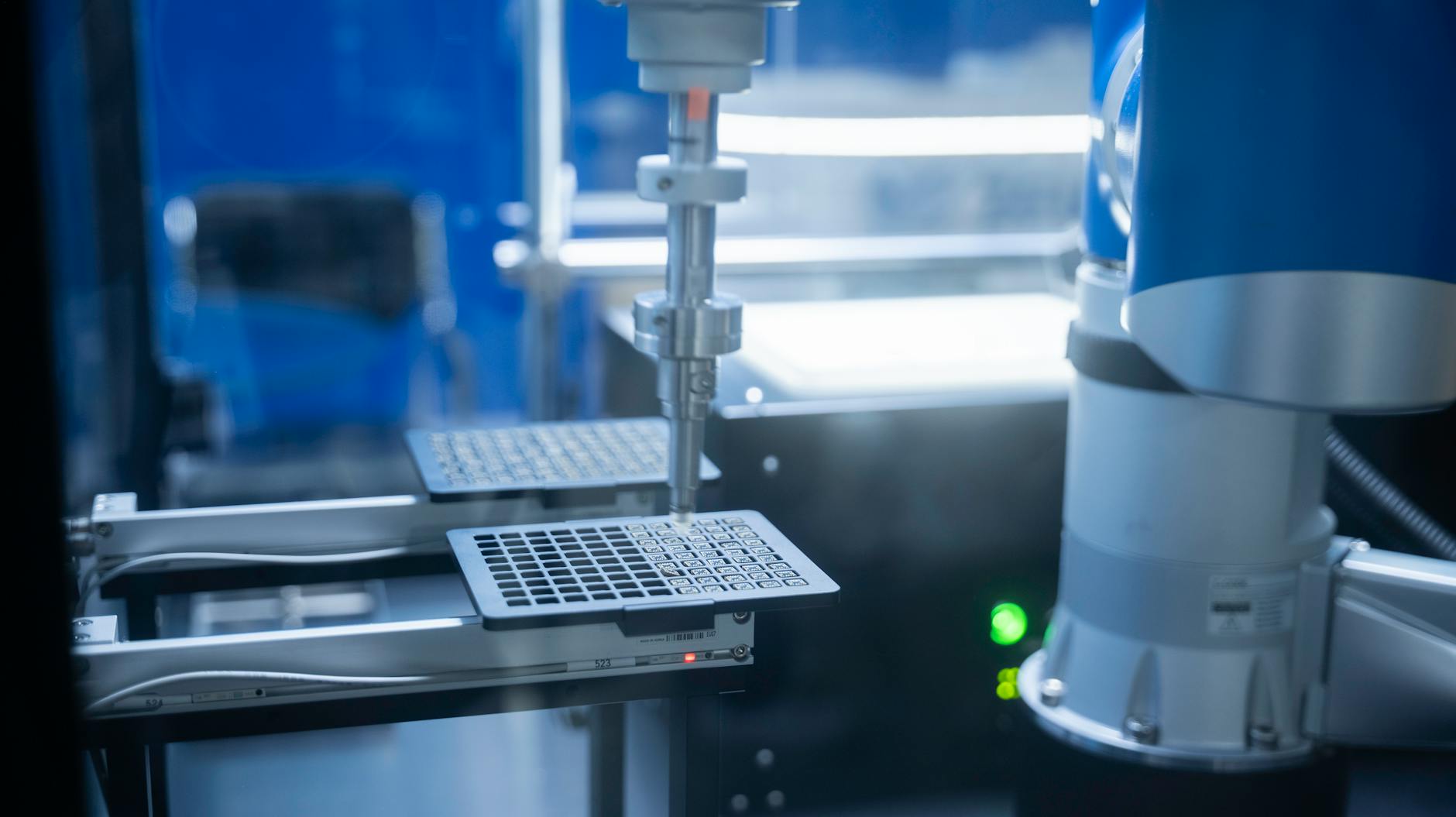
Accelerating Technological Disruption in Filtration Pharma
Technology is reshaping how the Filtration Pharma sector runs every day. Buyers now want more autonomy, easier connections between systems, and tougher reliability.
That pressure is pushing old designs out and speeding up the build of new platforms.
The global market was valued at USD 10.4 Billion in 2025 and is projected to reach USD 22.0 Billion by 2035. That growth comes at a CAGR of 7.8% from 2026 to 2035, fueled by automated sensors, edge processing, and tougher hardware.
For a deep dive into the market, try a FREE sample.
Key technology adoption metrics across primary application vectors:
Filtration Pharma Technology Adoption Comparison, 2026–2035 (USD Billion)
| Technology / Application Segment | 2025 (USD Billion) | 2035 (USD Billion) | CAGR (2026–2035) |
|---|---|---|---|
| Advanced Systems Integration | 16.20 | 45.30 | 10.8% |
| Autonomous & Unmanned Operations | 9.40 | 27.80 | 11.5% |
| Digital Connectivity & Software Control | 6.50 | 17.60 | 10.5% |
| Advanced Infrastructure & Materials | 3.30 | 7.50 | 8.6% |
| Total | USD 10.4 Billion | USD 22.0 Billion | 7.8% |
Source: Healthcare Industry Insights Analysis, 2026
Deployment patterns show a clear shift away from simple hardware buying. Companies now choose software defined, upgradeable systems that can gain new features over many years.
Next-Generation Intelligent Systems & Edge Processing
Modern systems rely on sensor fusion, which blends data from many sensors into one clear picture. Edge processors analyze that data right where it is collected, so decisions happen in milliseconds. This real time loop cuts lag and helps equipment respond fast when conditions change.
In the field, these abilities show up as fewer stoppages and steadier output. Teams can spot pressure drops, clogged elements, or temperature swings before they cause damage. MANN+HUMMEL reports that its Aircube Eco filters in Italian pasta production cut energy use by 29 percent and doubled filter life. Sources: official corporate technological disclosures, 2025/2026.
Advanced Engineering & High-Efficiency Infrastructure
Advanced composite media and PTFE based membranes are changing what filters can handle. These materials resist heat, chemicals, and moisture while keeping airflow steady. Stronger frames also resist vibration, so the structure stays solid under pressure.
Longer life is the real prize for plant managers. Durable media means fewer swaps, less downtime, and lower labor costs each year. Operations teams track service intervals and pressure readings to plan maintenance with confidence. Sources: official industry standards and technical disclosures, 2026.
"The integration of cognitive automation into core infrastructure is no longer an optional upgrade; it is the fundamental baseline for operational excellence and competitive resilience."
Connected Intelligence & Distributed Enterprise Architectures
Secure data links move information from machines to cloud platforms without exposing sensitive records. Edge nodes sort and filter that traffic so only useful signals travel upward. Open interfaces let different vendors plug into one shared dashboard.
Enterprise teams use these links to manage many sites from one screen. At Heathrow Airport, MANN+HUMMEL delivered energy efficient HVAC filtration that improved air quality while streamlining maintenance. Scalable connections let new sites join the network without costly rebuilds. Sources: regulatory filings and enterprise disclosures, 2026.
Predictive Diagnostics & AI-Driven Lifecycle Modernization
Predictive maintenance algorithms study vibration, heat, and pressure trends to forecast failures. Digital twins create virtual copies of systems so teams can test changes before touching real equipment. Supply chain telemetry tracks parts in real time, so stock never runs too low.
These tools lift fleet availability and keep production lines moving. Fewer surprise breakdowns mean better planning and tighter budgets. Procurement teams also control costs by buying parts only when they are truly needed. Sources: official corporate and logistics disclosures, 2026.
Strategic Outlook: Roadmap to 2035
Market leaders should direct capital toward software ready platforms that can grow for years. Technology providers must build open interfaces and clear upgrade paths so customers avoid costly rebuilds. Industry groups can also share validation standards that help smaller producers adopt new systems with less risk. High capital and validation costs remain a key barrier from 2026 to 2030, so shared guidance matters. Readers can review segment level data and company benchmarks in report HII-7457E52F. The winners will treat technology as a long term growth engine, not a one time purchase. Teams that act early will set the pace for the next decade.