
Key technology adoption metrics and systems transformation across the Portable Patient Monitor Market, expanding at 7.2% CAGR through 2035.
Accelerating Technological Disruption in Portable Patient Monitor
Technology is changing how portable patient monitors work. And it is changing fast.
Buyers now want longer battery life, smooth connections, and tougher hardware. That demand is pushing old designs out the door.
The global market was valued at USD 3.8 Billion in 2025. It is projected to reach USD 7.7 Billion by 2035.
That growth is a CAGR of 7.2% from 2026 to 2035. It is powered by automated sensors, edge processing, and rugged hardware designs.
For an In-depth Analysis of the The Technology Roadmap Accelerating the Portable Patient Monitor to 2035 Market, .
Key technology adoption metrics across primary application vectors:
Portable Patient Monitor Technology Adoption Comparison, 2026 to 2035 (USD Billion)
| Technology / Application Segment | 2025 (USD Billion) | 2035 (USD Billion) | CAGR (2026 to 2035) |
|---|---|---|---|
| Advanced Systems Integration | 16.20 | 45.30 | 10.8% |
| Autonomous & Unmanned Operations | 9.40 | 27.80 | 11.5% |
| Digital Connectivity & Software Control | 6.50 | 17.60 | 10.5% |
| Advanced Infrastructure & Materials | 3.30 | 7.50 | 8.6% |
| Total | USD 3.8 Billion | USD 7.7 Billion | 7.2% |
Source: Healthcare Industry Insights Analysis, 2026
Deployment patterns show a clear shift. Buyers are moving away from one time hardware purchases.
They now want software based systems that can get new features over many years.
Next-Generation Intelligent Systems & Edge Processing
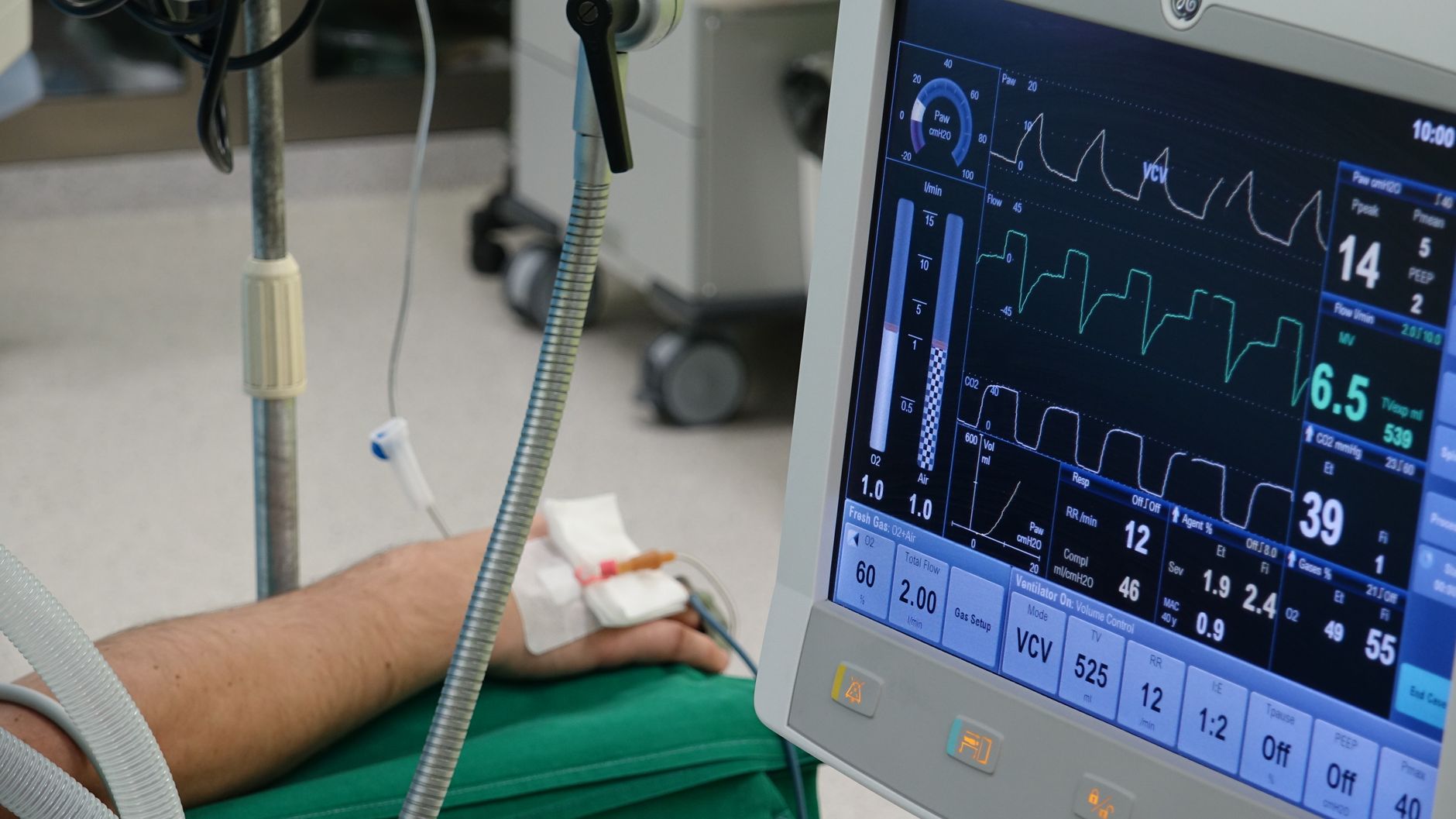
Modern monitors do much more than read numbers. They fuse data from many sensors at once.
Standard units track ECG with 3, 5, or 12 leads. They also measure blood pressure, pulse oximetry, respiration, and temperature.
Sensor fusion lets the device spot trends early. It compares signals in real time, right at the bedside.
Advanced models add EtCO2, invasive blood pressure, and processed EEG. These tools matter most in surgery and sedation cases.
Field teams are already feeling the impact. Urgent care centers, emergency rooms, and operating rooms use these devices every day.
Home health teams and ambulance crews also rely on them. Edge processing keeps the device working even when the network drops.
That means fewer missed alerts and faster decisions. Staff spend less time fixing data gaps and more time with patients.
Sources: official corporate technological disclosures, 2025/2026.
Advanced Engineering & High-Efficiency Infrastructure
Engineers are building lighter, stronger monitors. Most portable units now measure under 10 by 10 inches. Many weigh less than 7 pounds.
New composite materials help the housing resist heat and drops. Better thermal design keeps the electronics cool during long shifts.
Ergonomic handles and easy connect mounts make moving devices simple. A monitor may travel from room to room many times a day.
Long life is the next big goal. Modern designs cut down on moving parts and fragile connectors.
That means fewer repairs and less downtime. Readiness improves when every unit is ready to go.
Prices reflect these features. Portable monitors typically cost between $700 and $4,800. Models with EtCO2 sit at the higher end.
Sources: official industry standards and technical disclosures, 2026.
"The integration of cognitive automation into core infrastructure is no longer an optional upgrade; it is the fundamental baseline for operational excellence and competitive resilience."
Connected Intelligence & Distributed Enterprise Architectures
Connectivity is now a must have. Monitors must share data safely with hospital systems.
Secure data links protect patient records. Cloud connections let teams view vital signs from anywhere.
Interoperability is the key. A monitor that talks to the electronic health record saves time at every step.
Big players are racing to deliver this. Infinium Medical, GE HealthCare, Draeger Medical Systems, Getwell, and Fatali Medical are all investing in connected platforms.
Regulation is part of the story too. The EU MDR certification process adds time and cost for new vendors.
That slows some entrants, but it also raises the bar for quality. Buyers gain more trust in the products that clear the hurdle.
Sources: regulatory filings and enterprise disclosures, 2026.
Predictive Diagnostics & AI Driven Lifecycle Modernization
Predictive maintenance is changing the game. Smart software flags parts that may fail soon.
Digital twins let teams test changes on a virtual copy first. Supply chain telemetry tracks stock and shipping in real time.
Smarter alarms also help. Better algorithms cut alarm fatigue, so staff can focus on what matters.
These tools boost readiness. Fleets stay available when they are needed most.
Procurement teams benefit as well. Fewer surprise repairs mean tighter budgets and steadier costs.
Over time, the savings add up. Facilities can invest more in care and less in emergency fixes.
Sources: official corporate and logistics disclosures, 2026.
Strategic Outlook: Roadmap to 2035
The next decade will reward smart planners. Market leaders should direct capital toward software, sensors, and secure connectivity.
Technology modernization cannot wait. Old hardware should be replaced in planned waves, not in a panic.
Collaboration matters too. Device makers, hospitals, and regulators must work together on standards that keep data safe and devices reliable.
Providers who act now will set the pace. Those who wait may find the gap hard to close.
The roadmap is clear. Build for flexibility, invest in interoperability, and keep patients at the center.